
Blue Envelope Program
Enhancing Communication and Safety
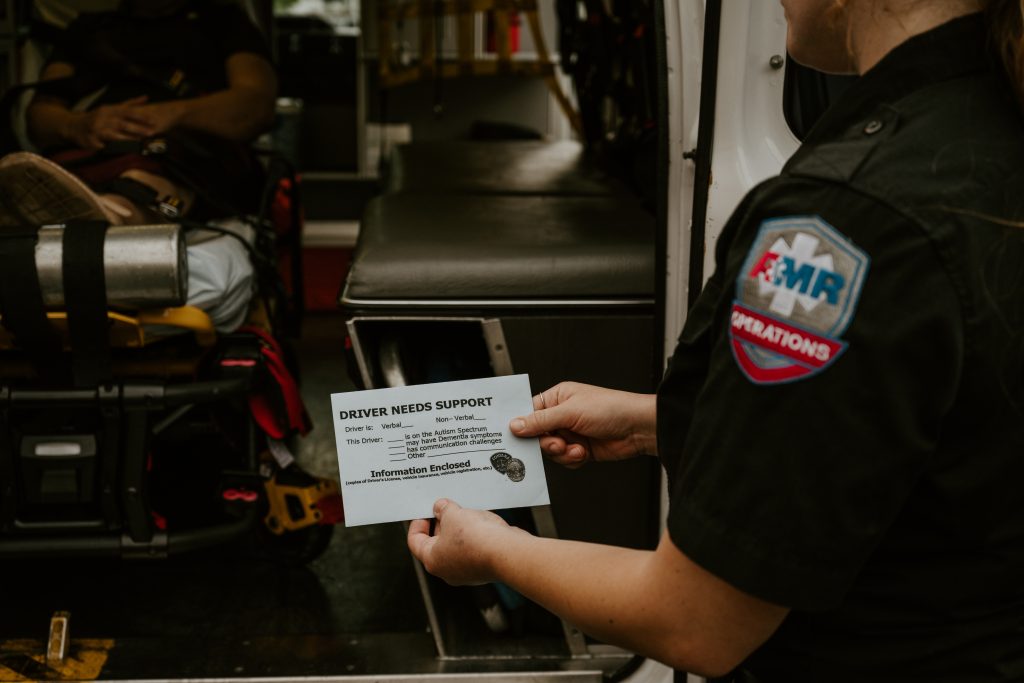
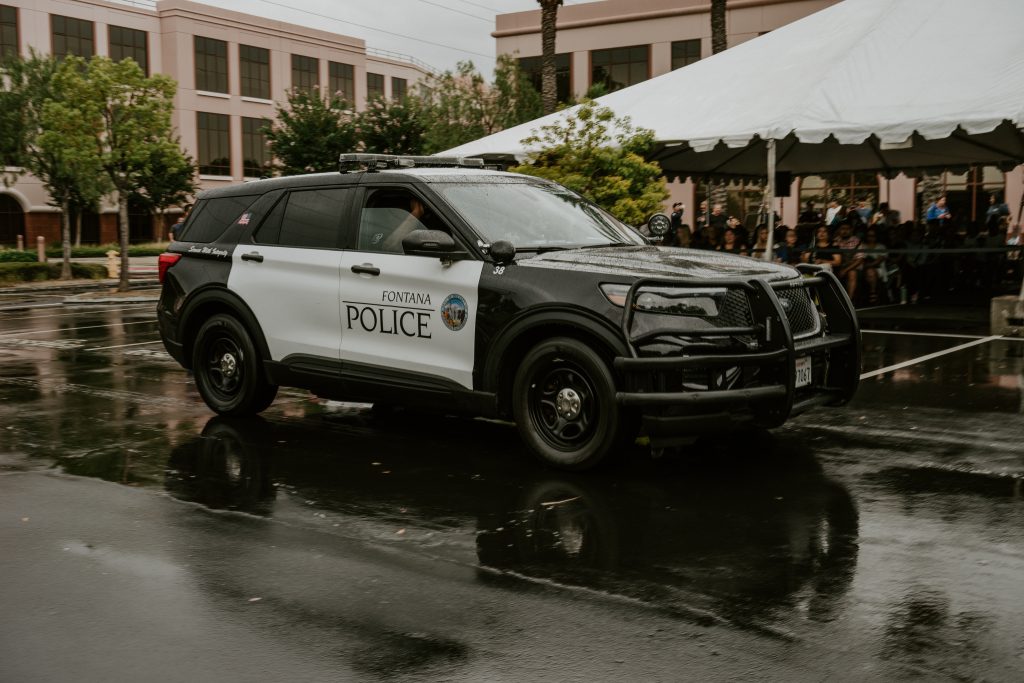
Through funding from the Department of Developmental Services (DDS) under the Language Access and Cultural Competency (LACC) initiative, the San Bernardino County Sheriff’s Department, along with the Redlands, Fontana, Menifee, Ontario, San Bernardino County Fire Marshal, and Chino Police Departments, proudly introduces the Blue Envelope Program. This innovative program improves communication and safety during interactions between law enforcement and individuals with intellectual and developmental disabilities (I/DD).
Case Studies | Videos | FAQs

The Blue Envelope is a vital tool for easing interactions during traffic stops or other encounters with law enforcement. By fostering understanding and minimizing potential misunderstandings, this program exemplifies the commitment of local law enforcement, IRC, and DDS to creating safer, more inclusive, and culturally competent communities.
Read more about the Blue Envelope Program:
- Supporting Blue Envelope Program
- Fontana School Police Department Launches Blue Envelope Program
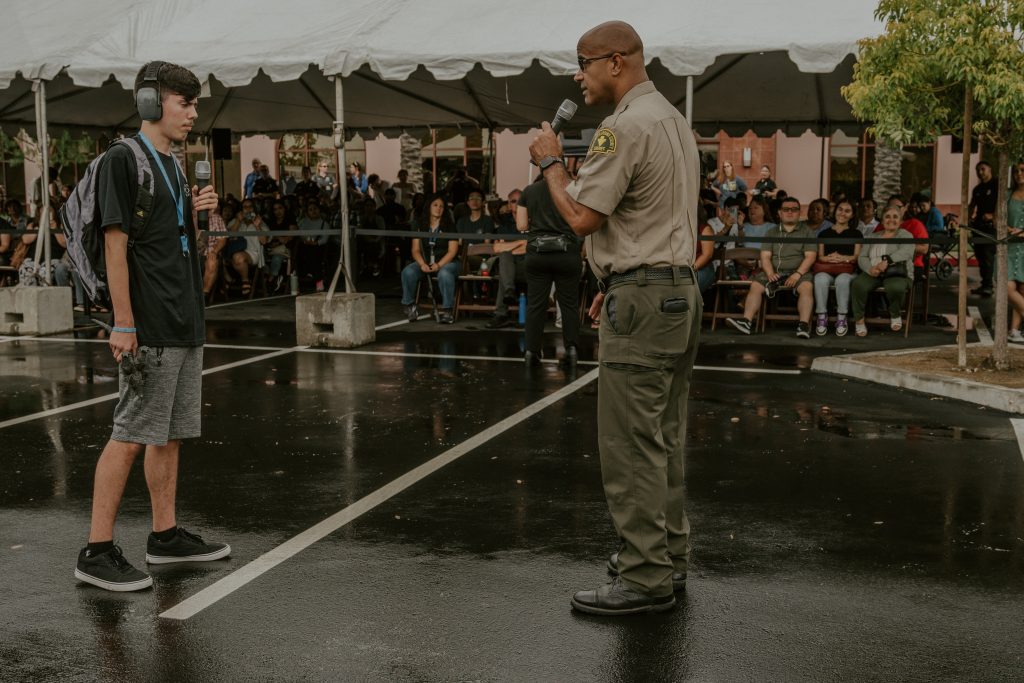
- Blue Envelope Training Strengthens Trust Between First Responders and I/DD Community
- Expanding Understanding: Second Blue Envelope Training & Distribution with Day Programs
- Inland Regional Center Launches Statewide Blue Envelope Program Research Initiative
Featured Video:
Research and Case Studies
Blue Envelope Program Statewide Research Report
The Blue Envelope Program is an evidence-informed, community-driven model that enhances public safety outcomes for individuals with intellectual and developmental disabilities (I/DD) and those who are Deaf or Hard of Hearing through consistent communication tools, training, and cross-agency collaboration. Grounded in privacy, autonomy, and trauma-informed practice, the program serves as a scalable framework for inclusive emergency response across local and statewide systems.
The Blue Envelope Program Statewide Research Report provides a comprehensive analysis of participant feedback, training outcomes, and community priorities, documenting strong support for a voluntary, non-registry model rooted in lived experience. The findings offer clear guidance for expansion while preserving the core values that make the program effective, trusted, and responsive to the communities it serves.
Study 1: Inland Regional Center Police/Crisis Interaction Focus Groups and Survey Report
Inland Regional Center (IRC) conducted a comprehensive community-based study to better understand and address the increasingly complex and sometimes dangerous interactions between law enforcement and individuals with intellectual and developmental disabilities (I/DD). This mixed-method research project included virtual focus groups, surveys, and case studies designed to elevate the voices of individuals with I/DD and their caregivers—those most directly impacted by crisis intervention practices.
The study is critical in highlighting systemic barriers, such as inadequate law enforcement training, poor communication strategies, and a lack of understanding of neurodiverse behaviors. These challenges often lead to escalated encounters, misinterpretations, and traumatic outcomes, including injury or incarceration. Through real-life testimonies and case analysis, the report identifies key themes and provides actionable recommendations aimed at building safer, more inclusive responses to crisis situations involving individuals with I/DD. It further advocates for continuous training, stronger partnerships, and equity in how public safety agencies serve the disability community.
Study 2: Clients in Crisis Focus Group – A Collaboration Between IRC and Autism Society Inland Empire
In response to a sharp post-pandemic increase in crisis-related behaviors among teens and adults with I/DD, the Inland Regional Center (IRC) partnered with the Autism Society Inland Empire (ASIE) to conduct a powerful series of qualitative focus groups with families who are navigating the frontlines of these crises. This research fills a critical gap left by quantitative data sources like the National Core Indicator (NCI), offering instead deeply personal, real-time insights into the lived experiences of those facing daily behavioral, emotional, and systemic challenges.
This study is essential for understanding how multiple systems—such as law enforcement, behavioral health, medical services, and Regional Centers—often fail to adequately support individuals with I/DD before, during, and after a behavioral crisis. Participants revealed the urgent need for early intervention, responsive in-crisis services, post-crisis care, and better systemic coordination. The findings offer concrete, family-informed recommendations that can drive the development of meaningful, person-centered crisis intervention programs, including the creation of community-based crisis homes, mobile response teams, and integrated therapeutic services.
Real Stories. Real Impact.
At Inland Regional Center, we believe that real-world experiences are essential to driving change. The following case studies highlight actual police interactions involving individuals from the Intellectual and Developmental Disabilities (IDD) and Deaf and Hard of Hearing (DHH) communities. These stories serve as powerful tools for education, reflection, and the continued improvement of public safety practices.
Each case illustrates both the challenges faced by individuals with communication or cognitive differences and the importance of compassionate, informed law enforcement responses. By learning from these experiences, we move closer to a system that prioritizes equity, accessibility, and safety for all.
Disclaimer
The case studies presented on this page are intended for educational and awareness purposes only. These cases are not intended to generalize all law enforcement interactions but to promote constructive dialogue, policy reform, and training practices that better serve the IDD and DHH communities. Inland Regional Center supports and values the critical role of law enforcement and remains committed to partnership, transparency, and accountability.
Locally Developed Public Policy Measure
Please take a moment to review the final report for Inland Regional Center’s FY 2024/2025 Locally Developed Public Policy Measure. This report outlines the implementation and impact of the Equitable Crisis Intervention Program—an initiative rooted in community input and designed to improve safety, accessibility, and culturally responsive support for individuals with intellectual and developmental disabilities (I/DD), including those who are Deaf or Hard of Hearing, during times of crisis.
2024 Locally Developed Public Policy Measure – English | Spanish | Tagalog | Vietnamese | Arabic | Chinese
Blue Envelope Videos:
Frequently Asked Questions
How do I register for the Blue Envelope Program?
There is no registration process to participate in the Blue Envelope Program. The program is intended for individuals who choose to self-identify as having a condition or disability that may impact communication or require additional accommodations or awareness during an interaction with law enforcement or first responders.
Is there a cost to participate in the Blue Envelope Program?
No. The Blue Envelope Program is voluntary, free of charge, and does not require registration to participate. The program is voluntary, free, and does not require registration to participate.
How do I get Blue Envelope Program items such as a lanyard, seatbelt cover, or keychain?
Blue Envelope items—such as lanyards, keychains, bracelets, and car decals—are available at no cost through participating law enforcement agencies, community events, and outreach activities.
For information about availability or distribution, please contact the Inland Regional Center (IRC) at [email protected].
If you are an IRC client, you’re also welcome to visit our lobby Monday through Thursday, from 8:00 a.m. to 5:00 p.m., at 1365 South Waterman Avenue, San Bernardino, CA 92408, and request items directly from our front desk staff. You may also email your Consumer Services Coordinator for assistance.
Can anyone get the Blue Envelope?
The Blue Envelope is intended only for individuals with an intellectual or developmental disability (I/DD), communication barrier, or who are Deaf or Hard of Hearing, and who drive.
For parents, caregivers, or providers seeking a visual early-warning cue to alert law enforcement that someone in the vehicle has an intellectual or developmental disability, the car decal is the recommended item.
How can my agency join the Blue Envelope Coalition?
Agencies interested in becoming part of the Blue Envelope Coalition can email [email protected] to receive partnership information, collaboration guidelines, and onboarding materials.
How can my agency request a Blue Envelope training for staff or clients?
To schedule a Blue Envelope training for your staff, clients, or community members, please email [email protected]. Include your agency name, contact person, and preferred dates so our team can coordinate next steps.
For more information about the Blue Envelope Program, please email us at [email protected].