
Service Access and Equity (SAE)

Inland Regional Center (IRC) is mandated by The Lanterman Act, an important and beautiful piece of legislation that resulted from advocacy efforts driven by a group of parents seeking change. The Lanterman Act states that “people with developmental disabilities and their families have a right to get the services and supports they need to live like people without disabilities.” Equity and inclusion are at the heart of such efforts. IRC continuously strives to connect with the community and takes pride in creating projects and collaborations to continue working towards equity, inclusion, and cultural proficiency.
Immigration Resources
IRC Immigration Resources - Clients and Families Page
IRC Immigration Training - October 2025
Disclaimer: The information provided is for general informational purposes only and is not intended to constitute legal advice. Interested parties should seek guidance from qualified legal counsel regarding their specific circumstances.
- IRC Immigration Resources List - English/Español
Our Efforts
Every year, regional centers and the Department of Developmental Services collect information about how they spend money on services and supports. This information is called Purchase of Service (POS) data. The POS data shows how regional centers spend money on services in five categories: by age, race/ethnicity, primary language, disability, and residence type.
Our efforts to make sure everyone can access services and that they are treated fairly are focused on four main areas. These areas are: clients of Hispanic ethnicity, clients with a main diagnosis of Autism, clients whose main language is Spanish, and clients of Black/African American ethnicity. We are working to make sure that all families can use our services. However, some projects are focusing on helping underserved groups, by taking into account their culture and language.
The latest disparity numbers can be found at on our Accountability page, or using the links below:
Data Overview
POS Total Expenditures 2023-2024 - Utilized $839,847,710
POS Total Expenditures 2024-2025 - Utilized $1,106,070,353
Total Clients All Ages - 60,024
(All Ages FY 2023-2024 – FY 2024-2025)
Individuals with No Purchase of Service - By Diagnosis and Race/Ethnicity (All Ages)
Disparity | Total Clients 2023-2024 | Total Clients 2024-2025 | Clients Receiving POS | Clients With No POS | Disparity Increase or Decrease |
Autism | 16,262 | 17,989 | 13,391 | 4,598 | -5.64% Decrease in Disparity |
Intellectual Disability | 21,557 | 21,376 | 16,869 | 4,507 | -2.62% Decrease in Disparity |
Hispanic | 22,707 | 25,295 | 20,314 | 4,981 | -3.57% Decrease in Disparity |
Black / African American | 4,997 | 5,462 | 4,293 | 1,169 | -2.53% Decrease in Disparity |
American Indian or Alaska Native | 137 | 172 | 134 | 138 | -1.26% Decrease in disparity |
Monolingual Spanish Speakers | 9,446 | 10,002 | 8,445 | 1,557 | -3.37% Decrease in disparity |
Individuals with No Purchase of Service - By Language (All Ages)
Language | Total Clients 2023-2024 | Total Clients 2024-2025 | Clients Receiving POS | Clients With No POS | Disparity Increase or Decrease |
Chinese | 155 | 145 | 124 | 21 | -1.58% Decrease in Disparity |
Spanish | 9,446 | 10,002 | 8,445 | 1,557 | -3.41% Decrease in Disparity |
Vietnamese | 109 | 102 | 68 | 34 | -2.45% Decrease in Disparity |
All Other Languages | 419 | 437 | 359 | 78 | -6.26% Decrease in Disparity |
Camp Services
Camp Services saw continued growth in participation, with clients increasing from 102 to 116.
Education Services
In Education Services, IRC experienced a significant increase in participation. The number of Hispanic clients grew from 190 to 513, while the total number of clients increased from 447 to 1,108.
Non-Medical Services
Non-Medical Services saw continued growth in participation, with clients increasing from 136 to 182.
Residential Services
Across all residential service categories, there was a decrease in clients with no Purchase of Service (POS), indicating that more clients are receiving services across all residential areas.
Social Recreation Services
Social Recreation Services saw significant growth in participation, with clients receiving services increasing from 291 to 544.
Learn more about the definitions of Purchase of Service (POS) and Disparities
Video Links:
What is Purchase of Service (POS):
English | Español | American Sign Language (ASL)
Purchase of Service (POS) Public Input Meeting and Disparities:
English | Español | American Sign Language (ASL)
Addressing Challenges
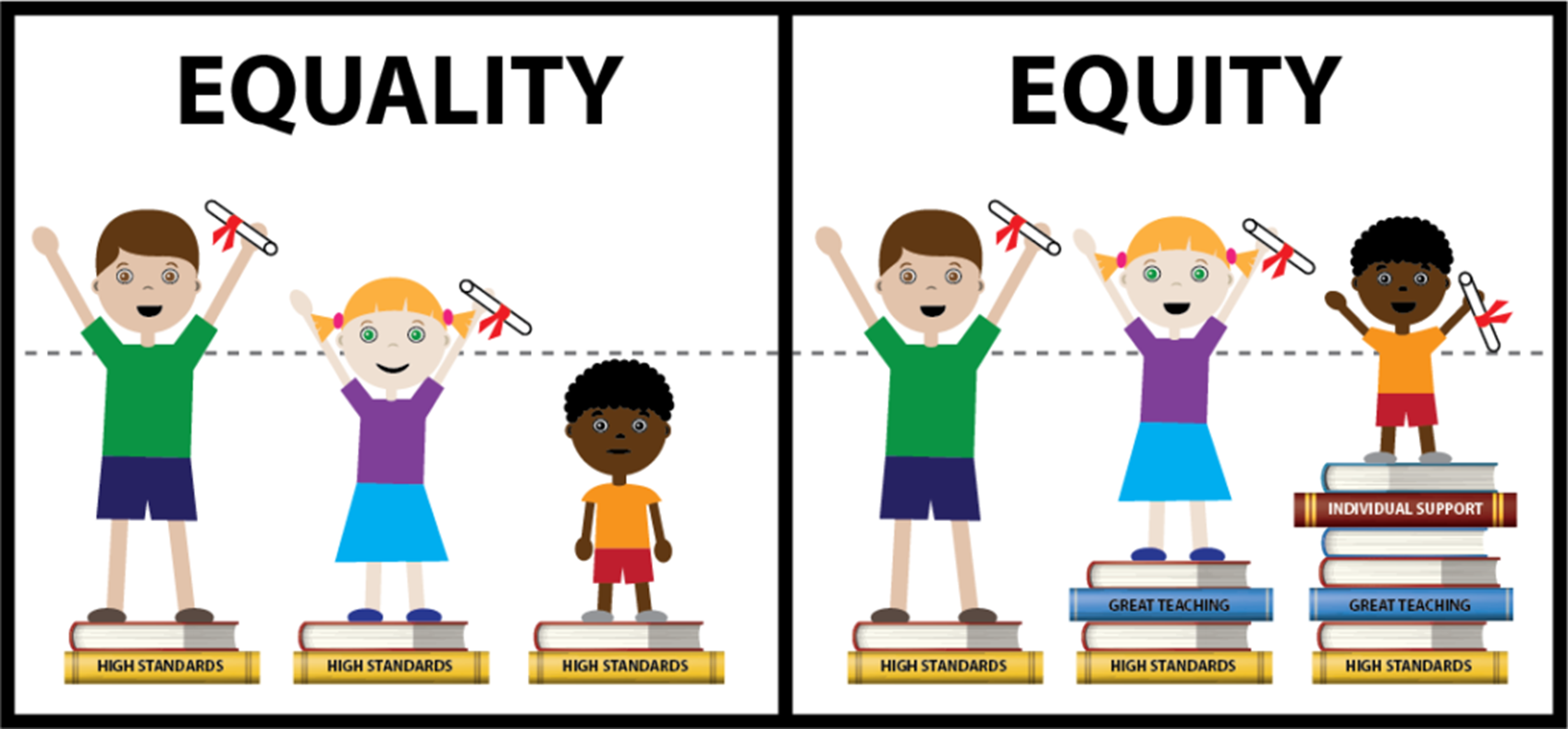
IRC acknowledges the needs and challenges in relation to service access and equity, so what is being done to address it?
Community-Based Organizations (CBO)
Community Based Organizations are partnering with IRC to promote equity and help close the disparity gap that exists in the utilization of services. The CBO programs available to the IRC community were made possible through SAE grants awarded by the Department of Developmental Services (DDS). Here is a brief description of each CBO and their projects:
Click/Tap the titles below to view current CBO projects:
Upcoming CBO/SAE Events
Language Access and Cultural Competency (LACC)
Additional Links:
DDS LACC Directive funding: Funding to Improve Language Access and Cultural Competency
DDS LACC Page: Language Access and Cultural Competency : CA Department of Developmental Services
IRC Language Access & Cultural Competency (LACC) FY 2025–2026 Plan
The LACC program is an annual initiative that follows the April 2022 directive "Funding to Improve Language Access and Cultural Competency." Inland Regional Center's efforts to ensure that individuals with intellectual and developmental disabilities (I/DDs) and their families can access services in ways that are culturally responsive and linguistically appropriate. Guided by the California Department of Developmental Services (DDS) Language Access Directive and statewide LACC requirements, the goal is to eliminate communication barriers, reduce disparities, and support equitable participation for all communities served.
IRC's catchment area—Riverside and San Bernardino Counties—includes over 60,000 clients and families representing diverse cultures and languages, including American Indian or Alaska Native, Asian, Black/African American, Deaf and Hard of Hearing, Hispanic, Middle Eastern, and Native Hawaiian or other Pacific Islander. To support these individuals, IRC targets six low-frequency languages: American Sign Language (ASL), Arabic, Mandarin Chinese, Spanish, Tagalog, and Vietnamese.
Funding and Guidelines
DDS provides LACC funds, which must be used exclusively for language access and cultural competency activities. Allowable expenses include translation and interpretation, outreach, training, event support, community partnerships, development of multilingual resources, and staffing directly tied to LACC implementation. Prohibited expenses include entertainment, giveaways, and travel outside of the state. IRC tracks all expenditures in GrantVantage and follows DDS budget and reporting guidelines.
For FY 2025–2026, IRC's total LACC allocation is $1,352,195, consisting of $650,000 for operating expenses, $567,575.32 for personnel, and $134,619.68 for administrative/indirect costs.
Main Activities Planned for FY 2025–2026
Inland Regional Center LACC-related activities include expanding outreach to underserved communities, developing ASL, ESL, and vendor training classes, advancing the Blue Envelope program initiative, enhancing multilingual communication tools, supporting advisory committees, and strengthening partnerships that address cultural and linguistic needs. See the section below, "How LACC Funds Are Used," for a summary of activities.
How IRC Determines LACC Activities
IRC's annual plan is based on direct input from clients, families, and the community. Information is collected through outreach events, in-person meetings, multilingual surveys, POS (Purchase of Service) data, listening sessions, and feedback from advisory committees. This approach ensures that planned activities align with real needs identified throughout the year.
How LACC Funds Are Used
IRC invests in multiple strategies to expand access:
- ASL and Multilingual Resources to Enhance Accessibility for the Deaf+ Community and Increase Access to IRC's Services: Contracting with an ASL Consultant, expanding ASL and ESL classes for families, vendors, and first responders, producing ASL and multilingual videos, and publishing bilingual newsletters.
- Interpretation and Translation: Providing communication access for all targeted low-frequency languages across meetings, events, and public information and marketing materials, via interpretation and translation services, to enhance access to information and services.
- Linguistic Education: Expanding American Sign Language and English as a Second Language class offerings for individuals, families, and vendors.
- Community Events: Hosting the annual Service Access & Equity (SAE) Conference, Fall Festival, Bridges to Wellness event, and African American Outreach activities.
- Partnerships to Increase Native American Participation: Partner with local agencies to implement the Native American Outreach and Data Collection Project, aimed at developing culturally appropriate initiatives.
- Cultural Responsiveness: Implement cultural humility training for staff to effectively engage with diverse communities.
- Digital Accessibility: Utilizing digital tools like VideoAsk, Eventbrite, and ADA-compliant website resources to support multilingual access to facilitate communication, improve current access to services, and increase participation in IRC events.
- Staffing: Funding key LACC-related positions, including the SAE Manager, LACC Specialist, ASL Facilitator, Parent Ambassador, CST III, CST IV, and leadership roles supporting the implementation of LACC activities.
Through this comprehensive approach, IRC aims to strengthen equity, address longstanding service disparities and communication barriers for individuals with I/DDs, their caregivers, and family members. By creating resources and fostering community partnerships, IRC aims to ensure that all individuals and families in its diverse region have meaningful access to information, culturally appropriate resources, and services.
You can view the full LACC plan using the link below:
Cultural Awareness and Diversity
Cultural Competency – A Tool for Equity
In December of 2020 IRC applied for a SAE grant from DDS for a project named “Cultural Competency – A Tool for Equity.” This project was approved in the Spring of 2021 and was launched June 1, 2021. This project allows IRC to put together cultural proficiency trainings and offer them to the different groups of individuals that surround a client’s life, such as parents, IRC staff, service providers, and the community. The goal of this project is to surround our clients with culturally proficient individuals and raise awareness of the importance of cultural proficiency when providing services or engaging our clients.
Cultural Specialist Collaborations

More information related to legislation that impacts the DD community can be found here:
- Blog: IRC Attends Virtual Grassroots Day
- Article: Legislature, Governor Approve Major Funding for DD System!
Frequently Asked Questions (FAQs)
IRC's Disparity Link team and the Cultural Specialist put together a list of frequently asked questions. This list of questions comes from CSC experiences with clients and outreach events where the Cultural Specialist connects with active and potential IRC families. FAQs can be accessed below:
Deaf and Hard of Hearing Cultural Specialist
In order to better serve our Deaf and Hard of Hearing Community, IRC has hired a new Cultural Specialist-- Estefania Pena! If you would like to contact Estefania, we have listed her contact information here. Stay tuned for an all-new Deaf and Hard of Hearing page, available soon on inlandrc.org.
Visit: Deaf and Hard of Hearing Page
Read more: Inland Regional Center’s New Deaf and Hard of Hearing Cultural Specialist
Estefania Pena, Cultural Specialist D/HH
Phone: (909) 332-3639
Email: [email protected]
Common IRC Language
As part of our commitment to strive towards equity, here is a list of common abbreviations that are often used as IRC language:
- ARCA – Association of Regional Center Agencies
- ASIE – Autism Society Inland Empire
- ASL – American Sign Language
- CAC – Client Advisory Committee
- CBO – Community Based Organization
- CLAP – Creating Leadership Among Parents
- CLASE – Colaboración, Liderazgo, Abogacía, Servicio y Educación,(Leadership, Advocacy, Service and Education)
- CP – Cerebral Palsy
- CSC – Consumer Services Coordinator
- DD – Developmental Disabilities
- DDS – Department of Developmental Services
- D/HH – Deaf and Hard of Hearing
- DEI – Diversity, Equity, and Inclusion
- DRC – Disability Rights California
- ESC – Emergency Services Coordinator
- GANAS – Genuine Animate Navigate Assist Succeed
- ICF – Intermediate Care Facilities
- ID/DD – Intellectual Disability/Developmental Disability
- IEP – Individualized Education Plan
- IHSS – In-home Support Services
- IPP – Individualized Program Plan
- IRC – Inland Regional Center
- ITF – Ives Torres Foundation
- LACC – Language Access and Cultural Competency
- NOA – Notice of Action
- OCRA – Office of Clients' Rights Advocates
- OT/PT – Occupational Therapy/Physical Therapy
- POS – Purchase of Service
- SAE – Service Access and Equity
- SCDD – State Council on Developmental Disabilities
- SDP – Self-Determination Program
- SSI – Supplemental Security Income
- VAC – Vendor Advisory Committee
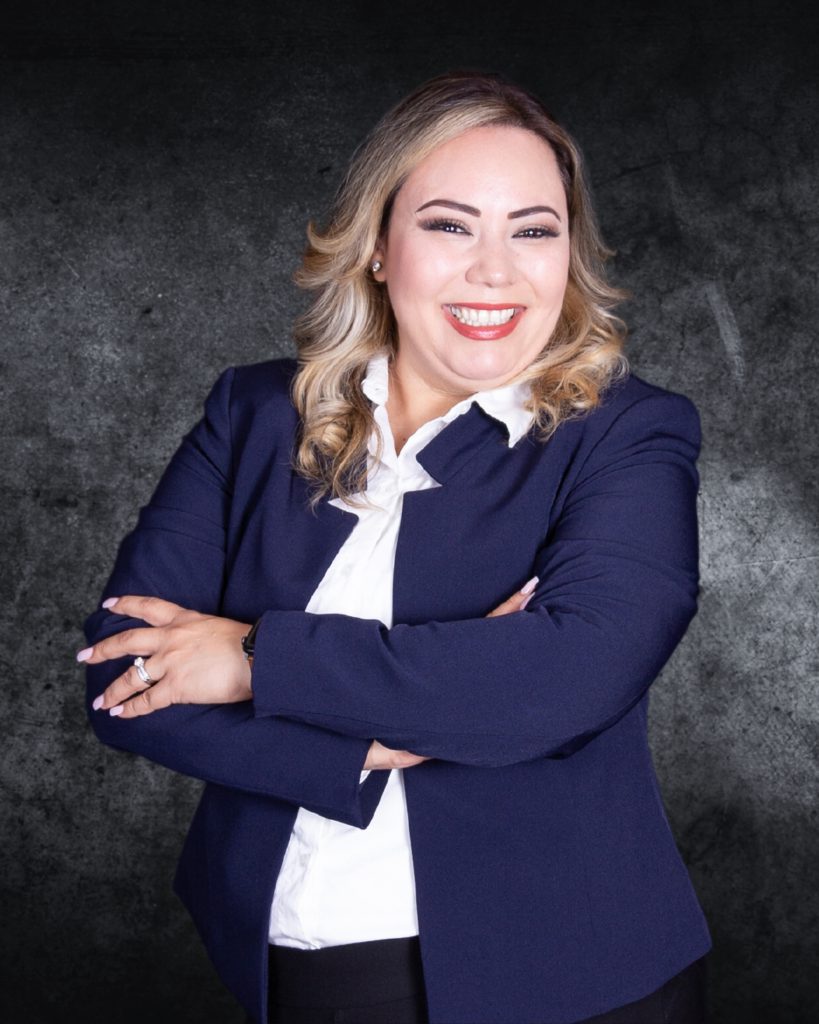
IRC Cultural Specialist
IRC's Cultural Specialist works to promote diversity, equity, and inclusion within the community and helps to guide IRC's cultural awareness and diversity efforts.
For more information, please contact:
Mari Rodriguez
Office: 909-495-3710
[email protected]
“Learn from yesterday, live for today, hope for tomorrow.”