
By: Monica G. Munguia, Community Engagement Program Manager
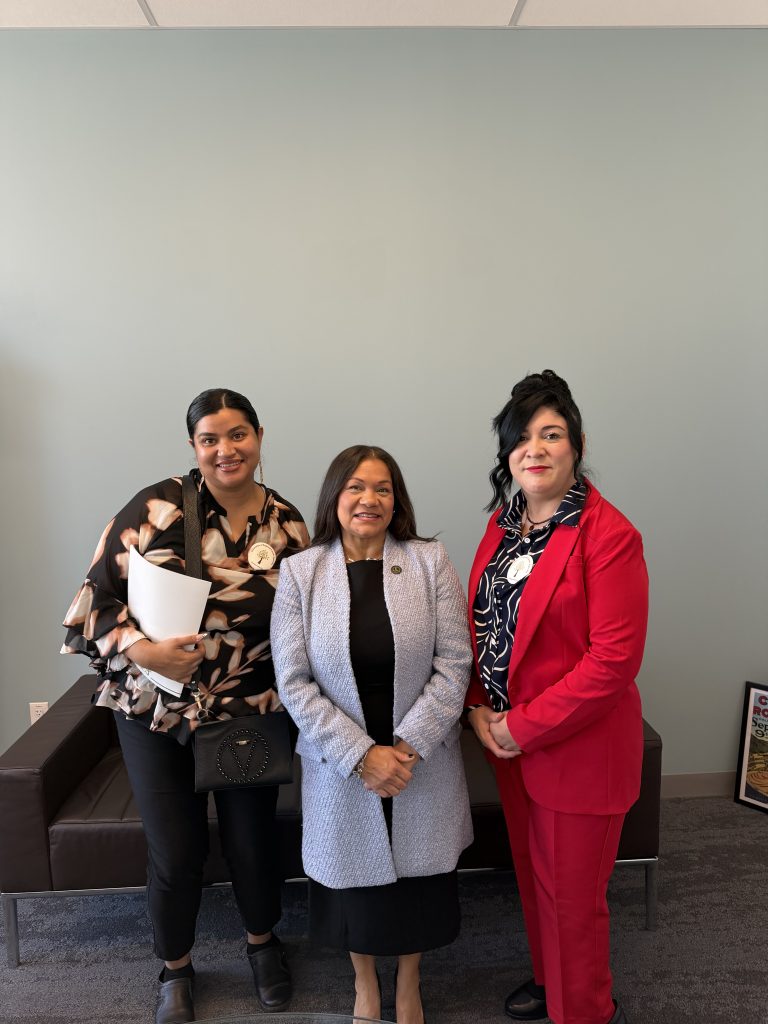
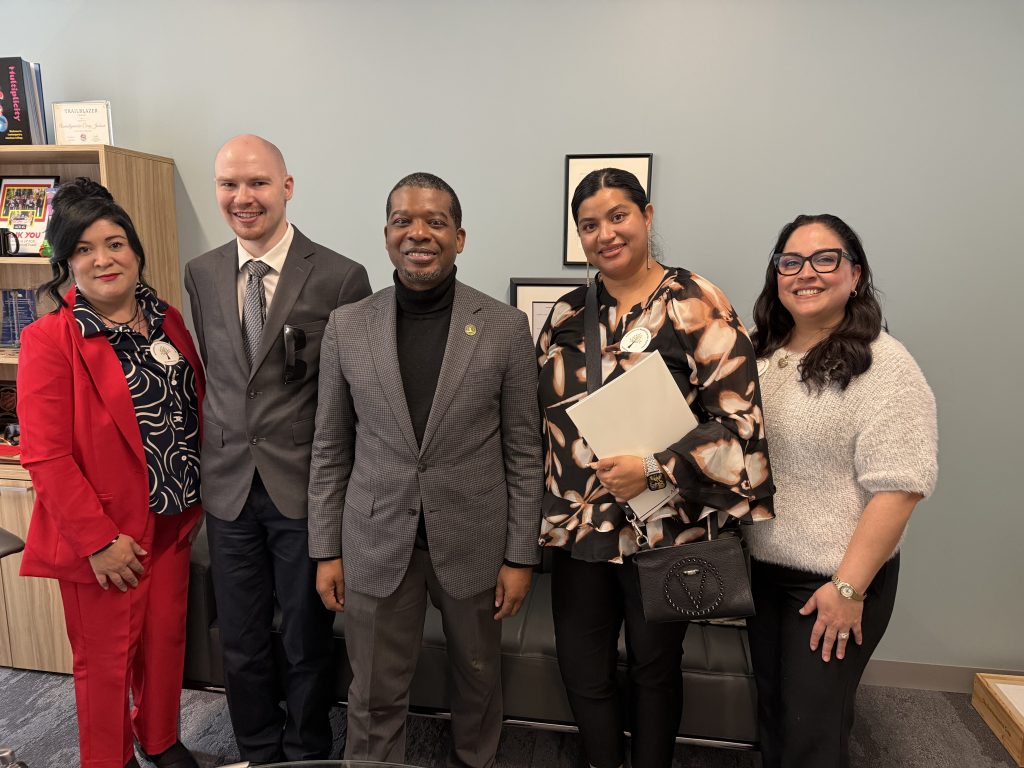
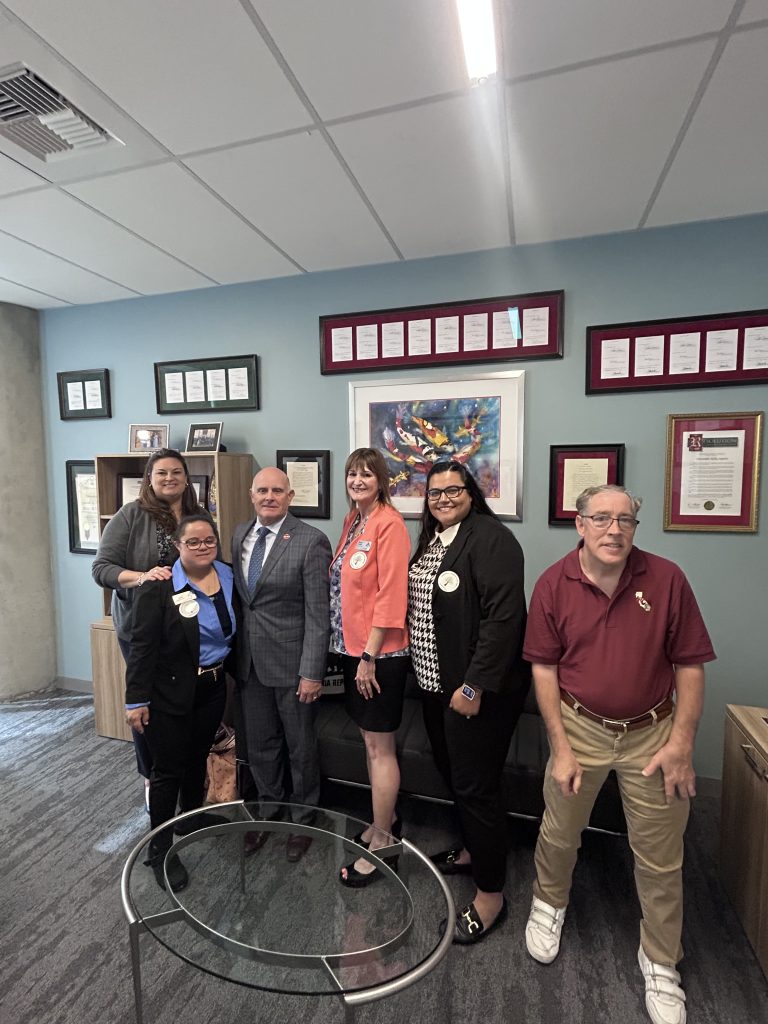
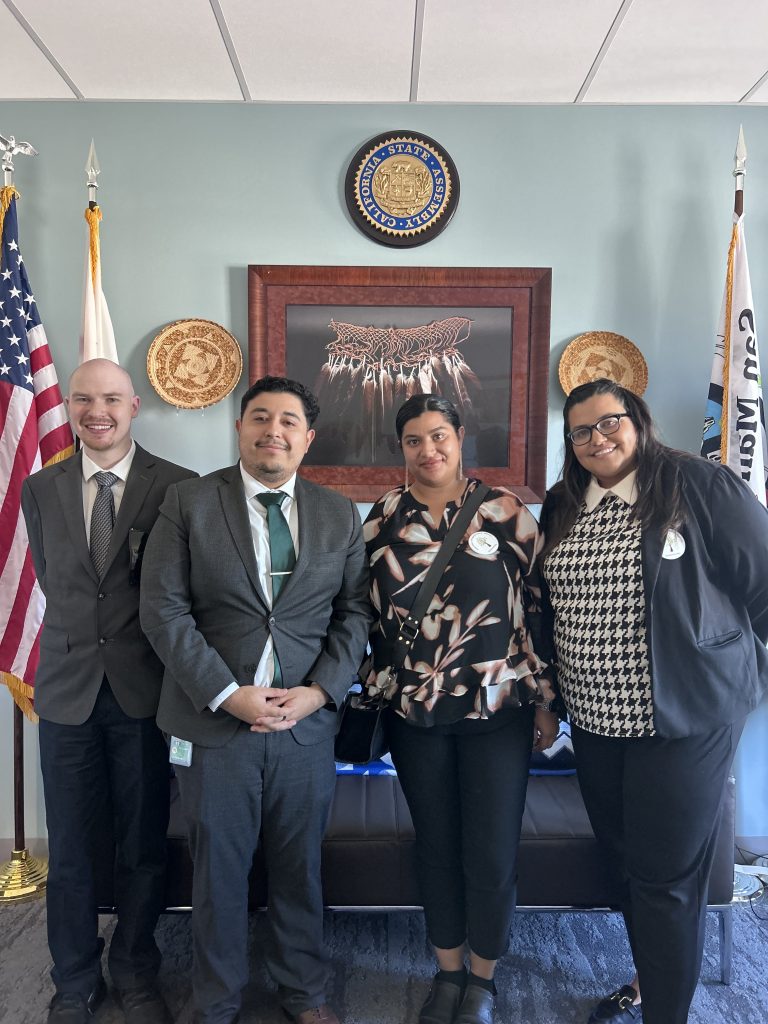
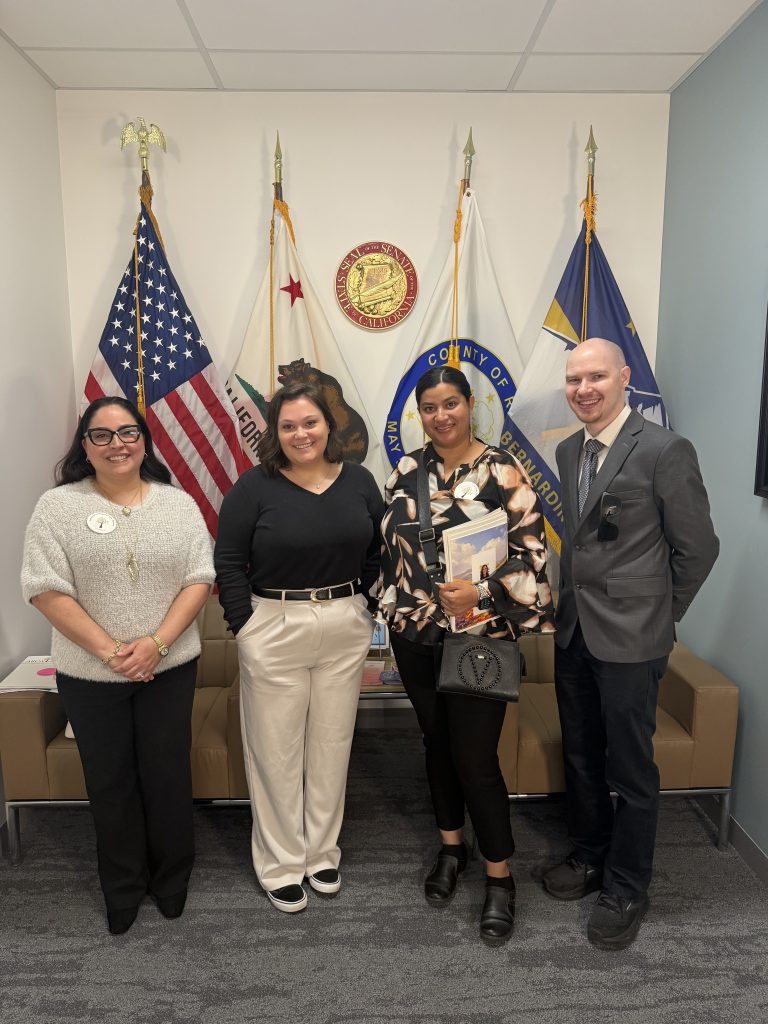
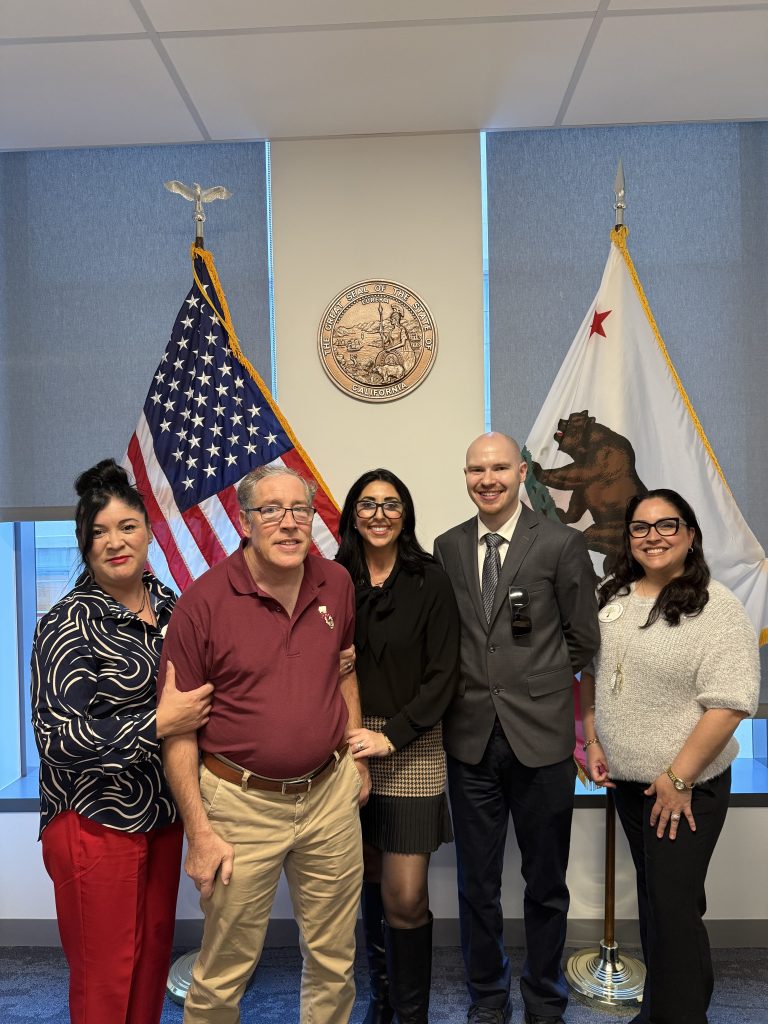
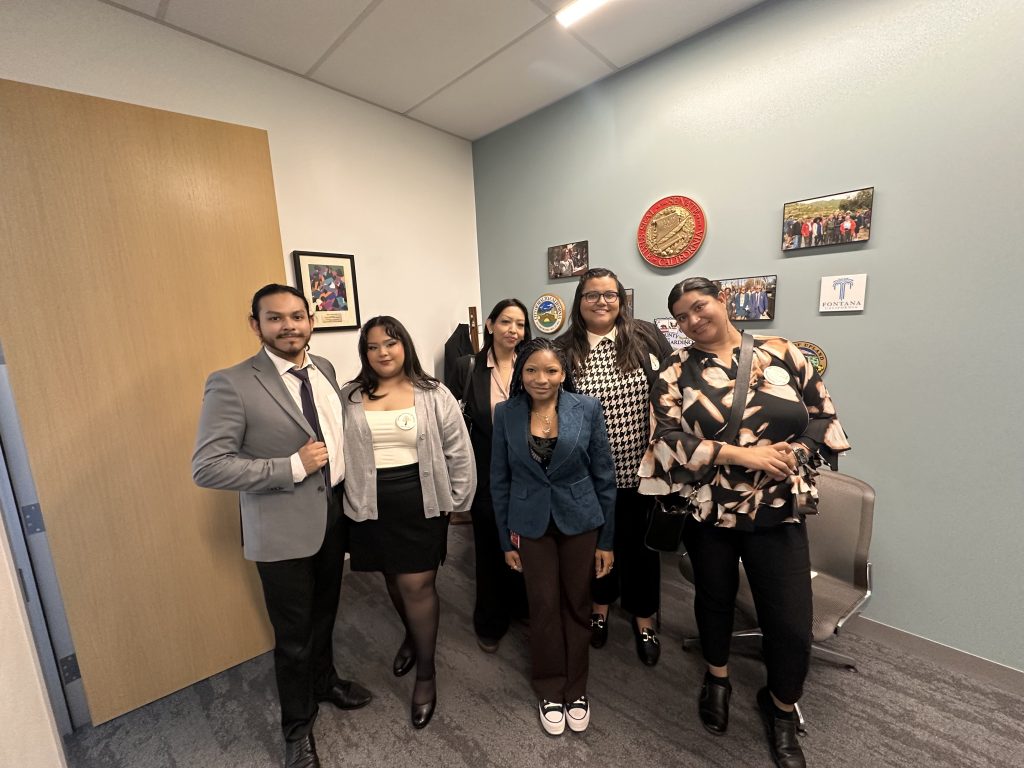
SACRAMENTO, California – On Monday, March 2nd, our Inland Regional Center delegation joined 200 advocates and delegates from across California to prepare for ARCA Grassroots Day the following day at the State Capitol. Convened by the Association of Regional Center Agencies (ARCA), this annual advocacy event brings together self-advocates, families, service providers, and regional center leaders to engage directly with legislators on policies impacting individuals with intellectual and developmental disabilities (I/DD).
This year, our delegation not only represented our community, we carry forward targeted legislative priorities that address workforce development, oral health access, historical recognition, and the stabilization of the regional center system itself.
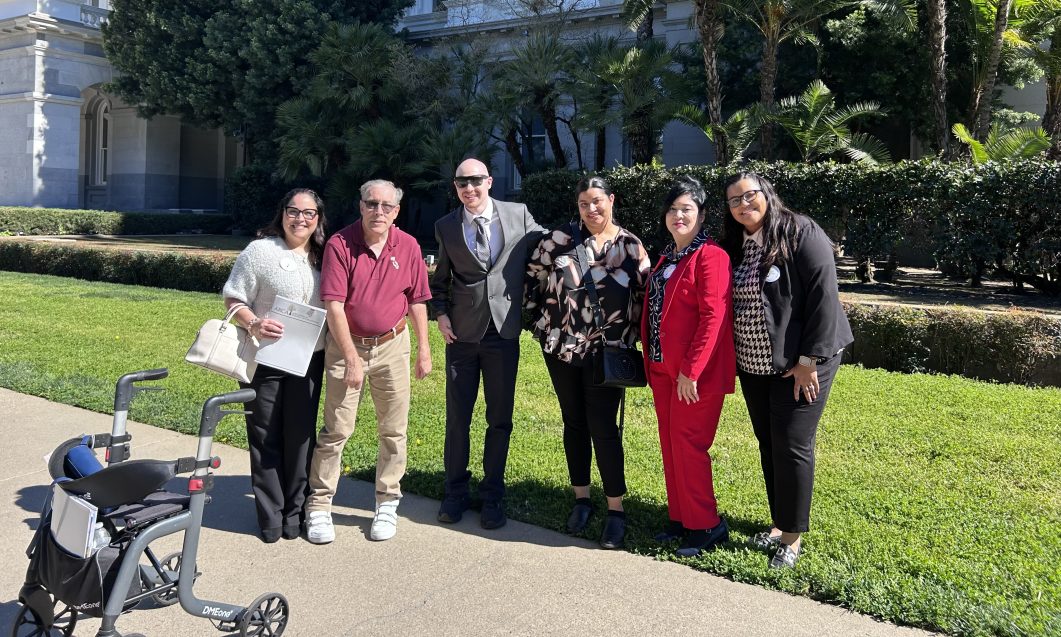
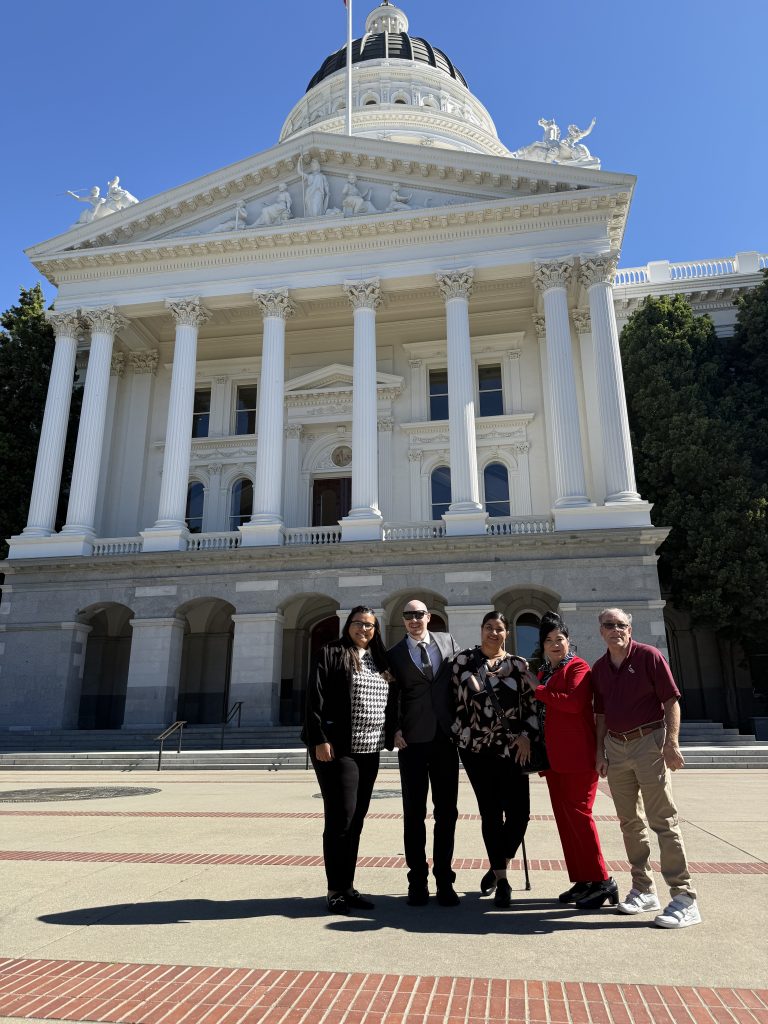
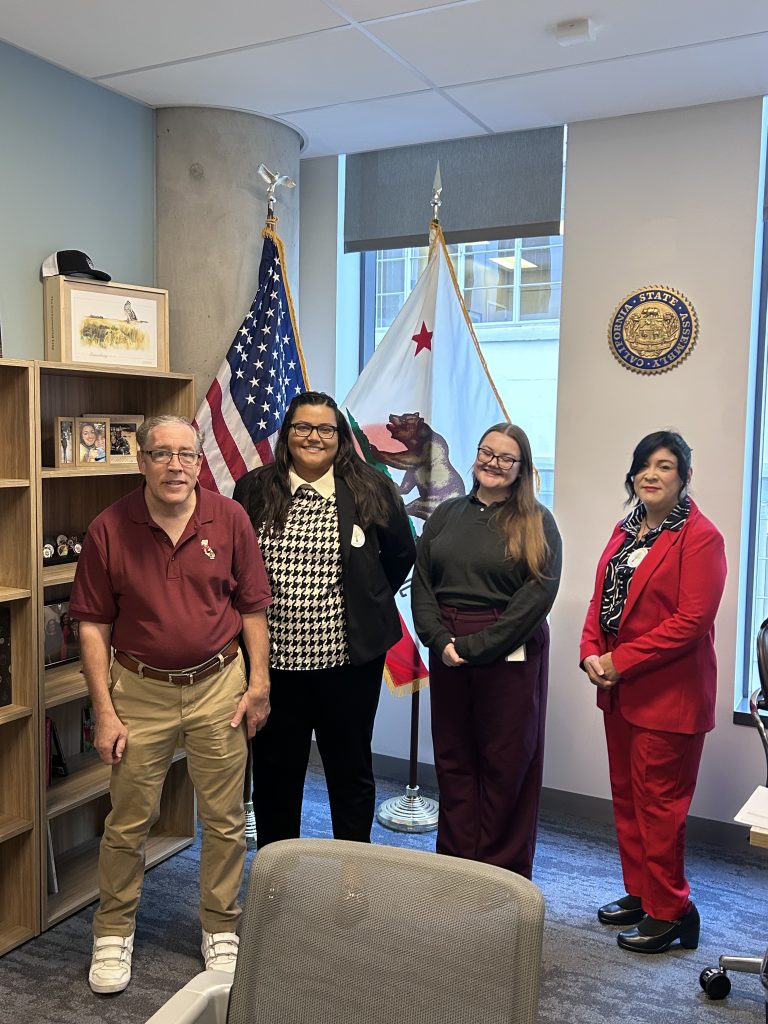
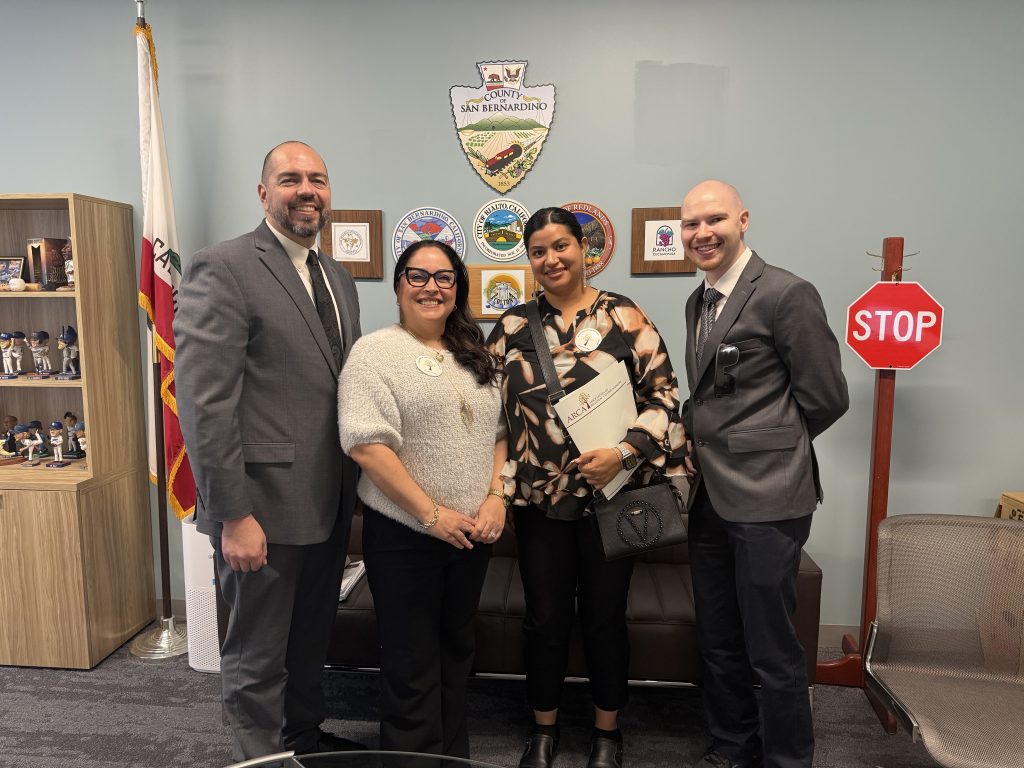
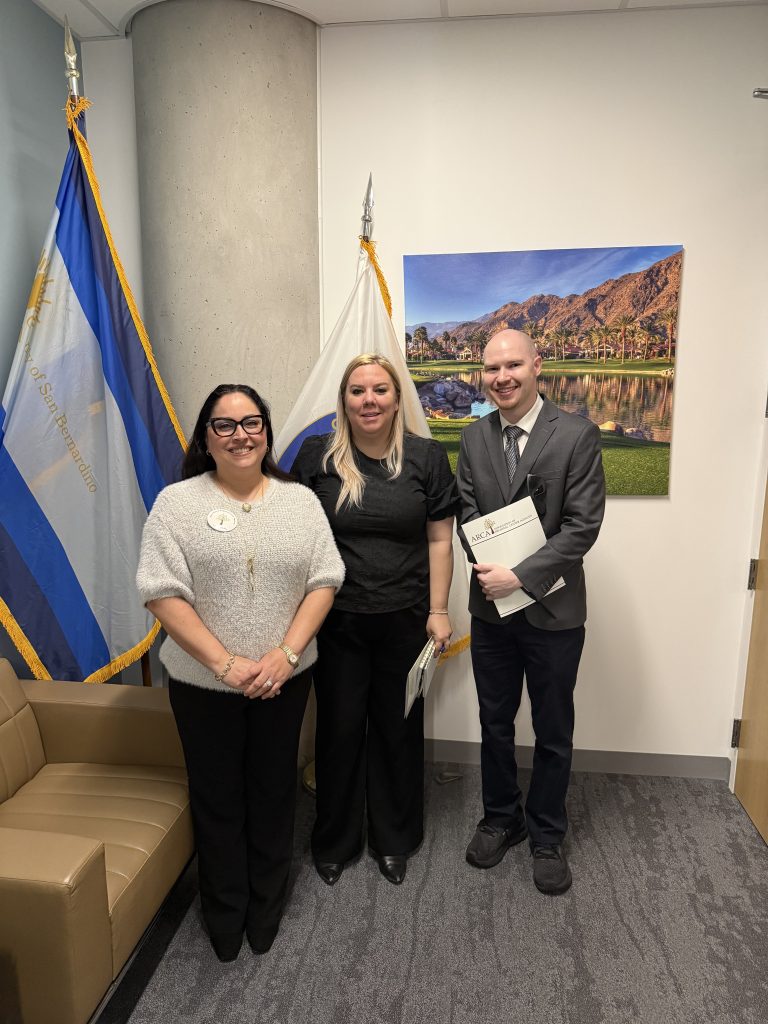
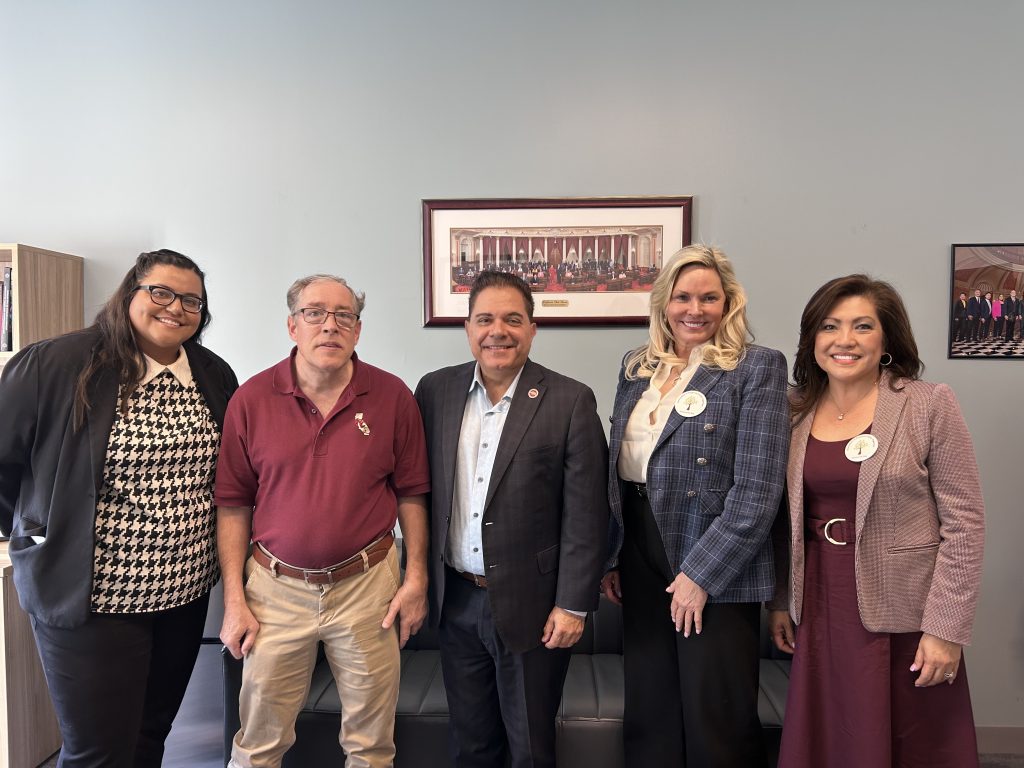
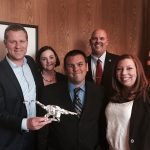
Our 2026 Inland Regional Center Delegation was proudly represented by:
- Monica G. Munguia – Delegation Lead & Program Manager, Community Engagement: Leading IRC’s advocacy for the third year, Monica drives collaboration, equity, and meaningful dialogue with legislators.
- Lesley Benitez – Parent Ambassador: A bilingual parent and advocate, Lesley elevates family voices and empowers parents navigating IRC services.
- Gregory Harrison – Client Advocate: From client to advocate, Greg champions self-advocates and disability rights across the Inland Empire and beyond.
- Ismeth Estrada – Client Representative & CAC Lead: Mentoring peers and promoting Self-Determination, Ismeth inspires clients to take charge of their services.
- Sofia Benitez – Vendor Representative & VAC Chair: Representing the vendor community, Sofia ensures provider perspectives are heard in statewide discussions.
- Stephen Donahue – Client & Self-Advocate: Former CAC President and committee leader, Stephen advocates for clients’ voices to guide policy decisions.
This team reflects authentic system partnership: self-advocates speaking from lived experience, family leadership elevating caregiver realities, vendor representation addressing provider sustainability, and community engagement ensuring policy alignment with grassroots impact.
2026 Advocacy Priorities
“The best way to predict the future is to create it.” Peter Drucker
This quote reflects the spirit of our 2026 advocacy efforts. Meaningful change in the developmental services system does not happen passively, it requires preparation, partnership, and deliberate action. Through strategic engagement at ARCA Grassroots Day, our Regional Center delegations worked to shape policies that strengthen our communities in the State of California.
- AB 2324 – Youth Caregivers Career Pathway Program
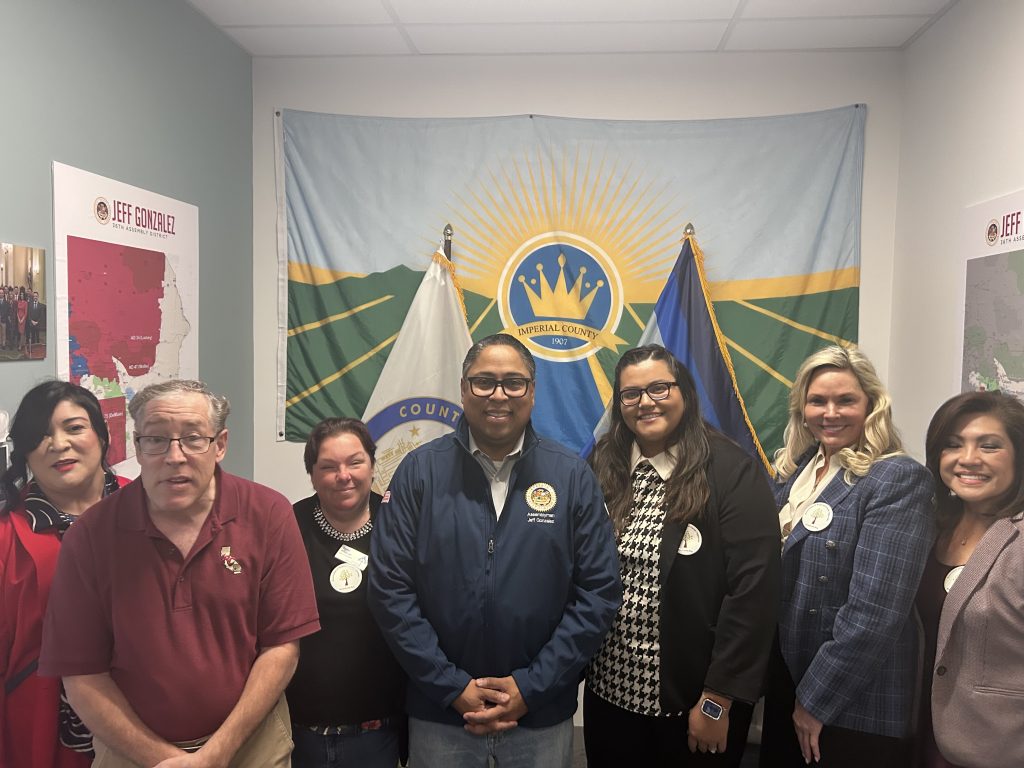
AB 2324 was introduced by Assemblyman Jeff Gonzalez. It recognizes that many youth in California provide essential in-home caregiving for family members with disabilities, often performing duties similar to Direct Support Professionals while managing school responsibilities.
The bill proposes the development of a formal Youth Caregivers Career Pathway Program for students in grades 9–12. The program would award academic credit for caregiving skills, create structured training aligned with DSP competencies, and establish a workforce pipeline into the direct support profession.
It directs the Governor’s Council for Career Education to assess the needs of youth caregivers and collaborate with the California Workforce Pathway Joint Advisory Committee to design and implement the pathway by 2028.
The goal is to validate youth caregiving contributions, promote academic success, and strengthen California’s long-term services workforce.
If you want to learn more about it visit: Bill Text – AB-2324 Vocational education: Youth Caregivers Career Pathway program.
- AB 1670 – Oral Health Services: Behavior Management
AB 1670 was introduced by Assemblyman Joaquin Arambula. It addresses barriers to dental care for individuals with physical, developmental, behavioral, or emotional conditions.
Although Medi-Cal currently covers a Behavior Management service (D9920) to support patients who require additional accommodation during dental visits, providers may only bill for it if another dental procedure occurs at the same appointment. This restriction discourages providers from offering preparatory or desensitization visits.
The bill would allow Behavior Management to be billed as a stand-alone service up to three times per year, requiring a billable dental procedure only on the fourth visit.
This change promotes equitable access to oral healthcare by removing financial disincentives and improving service availability for individuals with I/DD.
If you want to learn more about it visit: Bill Text – AB-1670 Medi-Cal: excluded services.
- Concurrent Resolution – 60th Anniversary of California’s First Regional Centers
In 1966, legislation authored by Jerome Waldie established California’s first two pilot regional centers:
- Golden Gate Regional Center
- Frank D. Lanterman Regional Center
The 2026 concurrent resolution commemorates the 60th anniversary of these institutions and formally recognizes their role in shaping California’s nationally recognized regional center system under the Lanterman framework.
The resolution honors the foundation of community-based services and reaffirms the state’s commitment to individuals with developmental disabilities.
- Stabilizing Regional Center Funding
Regional centers are responsible for eligibility determinations, individualized service coordination, community resource development, compliance oversight, and system accountability. However, the current funding formula does not adequately reflect rising staffing and operational costs.
Advocacy efforts led by ARCA, the Lanterman Coalition, and CalTASH call for:
- Modernizing the regional center funding formula
- Aligning allocations with actual staffing expenditures
- Protecting recent investments in sustainable provider rates
- Updating service rates to reflect cost increases identified under AB 2423
Stabilizing funding is critical to maintaining service coordination capacity and sustaining a qualified provider workforce. For the communities served in San Bernardino and Riverside Counties, adequate funding ensures timely access to services, culturally responsive engagement, and consistent systems navigation support.
For Inland Regional Center, this is a direct equity issue. Individuals served in San Bernardino and Riverside Counties depend on stable funding to ensure timely assessments, culturally responsive outreach, and consistent service navigation.
Moving Forward with Unity and Purpose
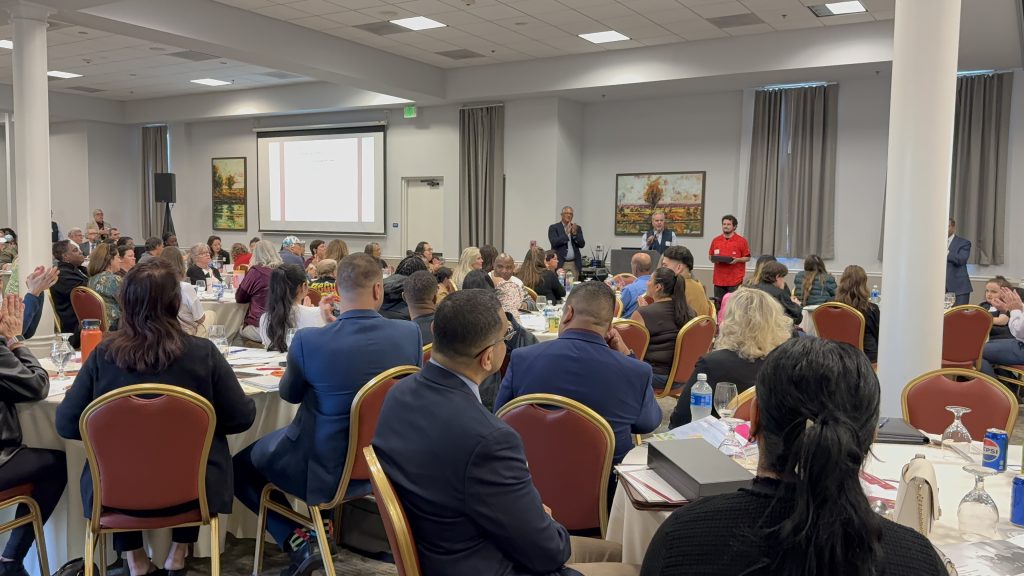
ARCA Grassroots Day is more than legislative meetings, it is structured civic engagement grounded in lived experience and policy expertise. Our delegation’s advocacy emphasized workforce sustainability, healthcare equity, historical preservation, and systemic funding reform.
We attend not only as representatives of Inland Regional Center, but as stewards of a system that more than 526,848 individuals and families rely upon daily.
On March 3rd, we advocated with clarity, data, and lived experience, ensuring that policymakers understand both the human impact and the structural requirements necessary to sustain California’s developmental services system for the next generation. Looking forward to positive outcomes with the support of those who represent us. We are confident that, with the support of our representatives, our advocacy will lead to positive results.
Posted by:

Related Posts

Share this Post