
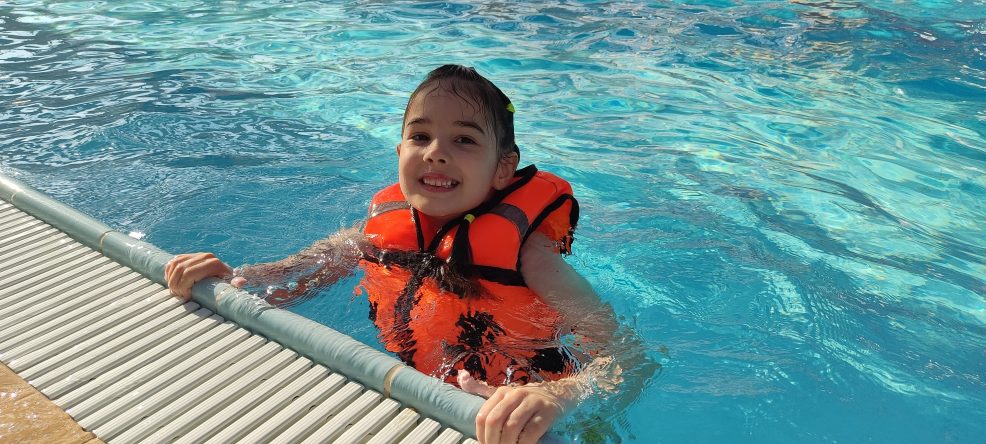
For many children and adults with developmental disabilities, water can be a source of enjoyment, recreation, sensory regulation, and family connection. Whether visiting a community pool, spending time at the beach, or enjoying a day at the lake, water-related activities can provide meaningful experiences and opportunities for physical activity.
However, water safety must always remain a top priority.
Individuals with developmental disabilities may face unique challenges that increase the risk of water-related emergencies, including wandering behaviors, communication barriers, limited safety awareness, sensory-seeking tendencies, and difficulty recognizing danger. By understanding these risks and implementing layered safety strategies, families and caregivers can help create safer experiences around water.
At Inland Regional Center (IRC), we encourage families to take proactive steps to keep their loved ones safe while enjoying all the benefits that water activities can offer.
1. Build Multiple Layers of Protection
Water safety works best when several preventive measures are used together. No single strategy is enough on its own.
Secure Access to Water
If you have a pool, spa, pond, or other water feature near your home, consider installing:
- Four-sided pool fencing with self-closing gates
- Pool alarms and door alarms
- Window alarms and childproof locks
- Secure gates and barriers around water-access areas
For individuals who may wander or leave designated areas without notice, these additional layers of protection can provide valuable extra time for caregivers to respond.
Maintain Active Supervision
When water is present, active supervision is essential.
Designate a responsible adult as the “Water Watcher” whose sole responsibility is monitoring individuals in and around the water. Avoid distractions such as cell phones, conversations, or other activities.
For larger family gatherings or events, consider rotating Water Watcher responsibilities so supervision remains consistent and focused.
Learn Water Safety Skills
Swimming and water safety lessons can be beneficial for many individuals with developmental disabilities when instruction is tailored to their needs.
Look for programs that:
- Provide adaptive swim instruction
- Offer smaller class sizes
- Incorporate visual supports and repetition
- Accommodate sensory and communication differences
Water competency skills can increase confidence and help individuals learn how to respond safely in and around water.
Wear Proper Safety Equipment
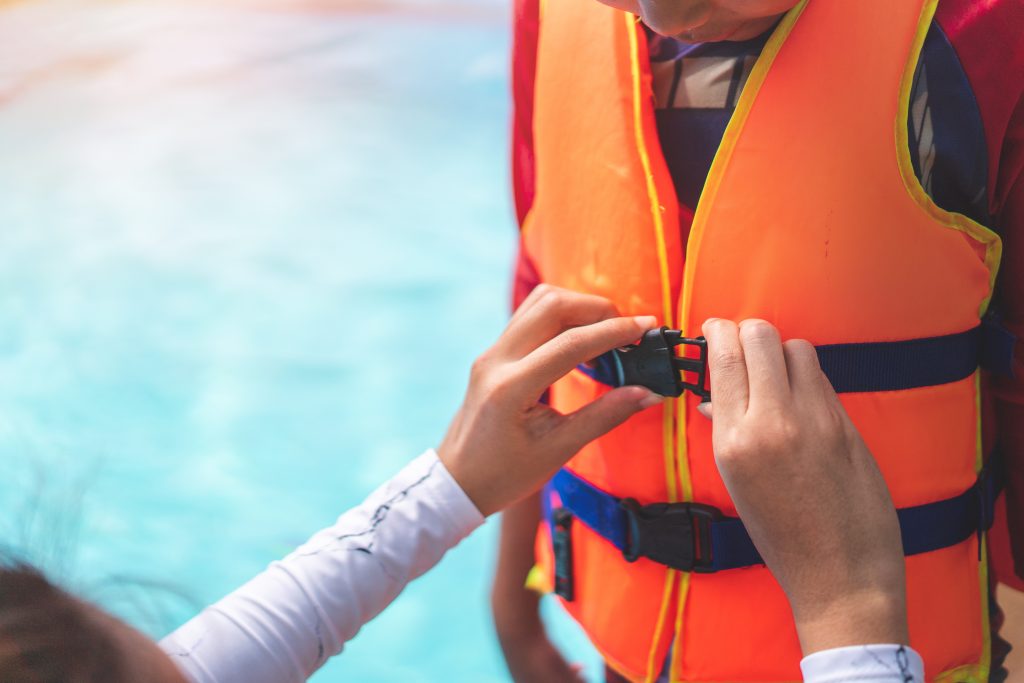
When participating in boating, lake activities, or open-water recreation, wearing a U.S. Coast Guard-approved life jacket is strongly recommended.
Families may wish to:
- Practice wearing life jackets before outings
- Allow time for sensory adjustment
- Select properly fitted devices designed for the individual’s size and needs
Prepare for Emergencies
Every caregiver should know how to respond quickly during a water emergency.
Important preparedness steps include:
- Learning CPR and basic first aid
- Creating family emergency plans
- Keeping emergency contacts readily available
- Informing trusted family members and caregivers of safety procedures
Preparation can significantly improve response times during critical situations.
2. Understanding Sensory Needs Around Water
Many individuals served by Inland Regional Center experience the world differently through their senses. Water environments can be highly stimulating and may create either positive experiences or sensory challenges.
Start with Comfortable Experiences
For individuals who are unfamiliar or uncomfortable around water, gradual exposure may be helpful.
Examples include:
- Playing with water tables
- Practicing in the bathtub
- Using sprinklers
- Visiting shallow pools during less crowded hours
These experiences may help build familiarity and comfort before transitioning to larger water environments.
Consider Environmental Sensory Factors
Pools, water parks, beaches, and lakes can present sensory challenges, including:
- Loud noises
- Bright sunlight
- Crowded spaces
- Chlorine smells
- Changes in water temperature
Planning visits during less busy times can help reduce sensory overload and create a more positive experience.
Respect Comfort Levels
Some individuals may dislike goggles, life jackets, swim caps, or certain water textures.
Introducing equipment gradually and allowing time for adjustment can help increase acceptance while maintaining safety whenever possible.
3. Teach Safe Water Habits
Clear and consistent instruction is an important part of water safety.
Families can help reinforce concepts such as:
- Always asking permission before entering water
- Never swimming alone
- Staying within designated swim areas
- Following lifeguard instructions
- Understanding the difference between safe and unsafe water environments
Visual schedules, social stories, pictures, and other communication supports may help individuals better understand expectations and safety rules.
Consistency across caregivers and settings can strengthen learning and improve safety awareness.
Prevent Wandering and Elopement Risks
For some individuals with developmental disabilities, wandering or elopement may increase the risk of water-related emergencies.
Families may wish to consider:
Home Safety Measures
- Door and window alarms
- High-security locks
- Visual stop signs near exits
- Household safety plans
Community Safety Planning
- Informing trusted neighbors of wandering risks
- Using identification bracelets or wearable ID devices
- Considering GPS tracking technology when appropriate
- Sharing important information with caregivers and support networks
Water Location Awareness
- Identifying nearby pools, canals, lakes, ponds, and waterways
- Discussing water safety routinely with family members
- Including water locations in emergency response plans
How Inland Regional Center Can Help
While water safety begins at home and in the community, Inland Regional Center is committed to supporting individuals and families through education, resources, and community partnerships.
If you would like additional information about safety resources, community programs, or family supports available in Riverside and San Bernardino Counties, please contact:
Steven Serrano Yepez
Community Relations Specialist
📧 [email protected]
📞 (909) 382-4653
You may also contact the Community Engagement Team at:
Additional Water Safety Resources
- Autism Society Inland Empire: Water and Wandering Program: Water and Wandering Program – Autism Society Inland Empire
- Autism Society Inland Empire: Swimming Resources: Swimming & Safety Resources – Autism Society Inland Empire
Safe Fun Starts with Preparation
Water activities can create lasting memories for individuals and families. By combining active supervision, environmental safeguards, adaptive instruction, and emergency preparedness, families can help ensure that those experiences remain both enjoyable and safe.
At Inland Regional Center, we believe every individual deserves opportunities to participate fully in their community while remaining safe, supported, and empowered. Together, we can help make water safety a priority for everyone.
Posted by:

Related Posts



Share this Post