

FOR IMMEDIATE RELEASE
Inland Regional Center Announces 2026–2031 Strategic Framework to Strengthen Equity, Access, and Community Trust
San Bernardino, CA — Inland Regional Center (IRC) has announced its 2026–2031 Strategic Framework, a comprehensive five-year plan designed to strengthen service access, improve communication, expand community engagement, and build a more equitable support system for individuals with intellectual and developmental disabilities (I/DD) and their families across San Bernardino and Riverside Counties.
The strategic framework was developed through a detailed review of five years of data, including staff and family surveys, focus groups, National Core Indicators, Purchase of Service data, performance contracts, and caseload ratio meetings. This analysis identified several consistent priorities across the organization and community: improving communication, reducing disparities in services, strengthening the workforce, stabilizing the vendor network, and rebuilding trust through meaningful engagement.
“Our goal is to build a system that is clear, accessible, and trusted,” said Lavinia Johnson, Executive Director of Inland Regional Center. “Families should be able to easily understand the services available to them, access support within their own communities, and know that IRC is working alongside them as a committed partner.”
Five Strategic Priorities
The plan outlines five key priorities that will guide Inland Regional Center through 2031.
Equity, Access, and Cultural Competence
IRC will expand outreach and services to underserved communities by increasing multilingual resources, strengthening support for Deaf and Hard of Hearing individuals, and hosting Mobile IRC outreach events across both counties. Inland Regional Center also plans to establish community micro-hubs in areas such as Victorville, Lake Elsinore, and the Coachella Valley.
Communication and Transparency
To ensure families can easily understand services and resources, IRC will implement a Plain-Language Policy for all public communications by July 1, 2026, and relaunch a redesigned monthly IRC newsletter. The organization will also introduce visual communication tools such as infographics and videos to simplify complex information.
Training and Capacity Building
The plan calls for expanded training programs for IRC staff to strengthen service delivery and improve understanding of the Purchase of Service system. New training models and cross-divisional learning initiatives will help staff better support families navigating services.
Vendor and Resource Development
IRC will support the implementation of the statewide Vendorization portal and provider directory and introduce new training for service providers to improve communication, billing processes, and operational readiness for newly approved vendors.
Trust, Relationships, and Community Engagement
The strategic framework emphasizes rebuilding and sustaining trust through community partnerships, parent advisory groups, and regular town halls with families and community stakeholders.
Implementation Timeline
The five-year framework will roll out in four phases, beginning with governance alignment and communication reforms in 2026–2027, followed by expanded outreach, infrastructure development through community micro-hubs, and long-term evaluation through 2031.
Progress will be measured through POS data, NCI indicators, community feedback, and biannual public reports on access and equity outcomes.
Mission, Vision, Core Values and Logo Updates
As part of the 2026–2031 Strategic Framework, IRC has adopted an updated mission statement to reflect the organization’s continued commitment to equity, clarity, and community partnership:
New Mission
“To empower individuals with intellectual and developmental disabilities and their families by ensuring equitable access, clear communication, culturally responsive supports, and strong community partnerships.”
New Vision
The vision guiding the next five years is a system where every individual with intellectual and developmental disabilities has the resources, relationships, and opportunities to thrive in an inclusive and trusted community support network.
Core Values Unchanged
IRC’s work continues to be guided by its longstanding core values:
- Independence – Supporting individuals in living self-directed and meaningful lives.
- Inclusion – Promoting full participation in community life for people of all abilities.
- Empowerment – Ensuring individuals and families have the knowledge, tools, and support needed to make informed decisions.
New IRC Logo
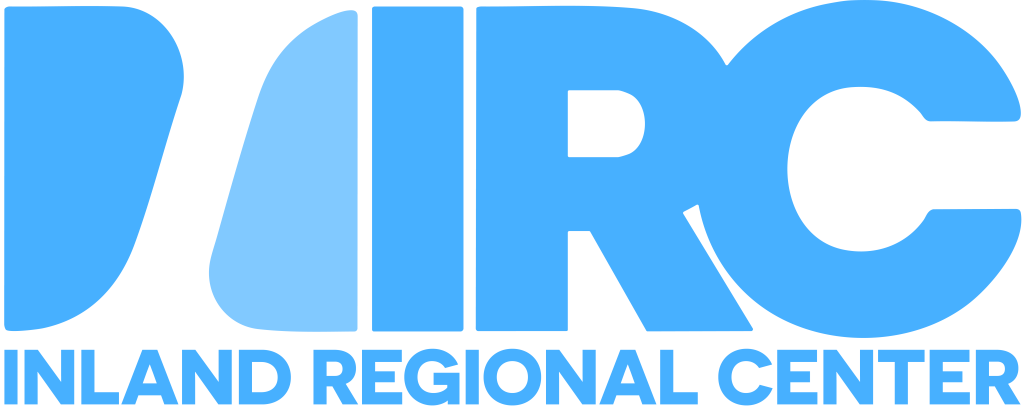
As part of this strategic evolution, IRC is also introducing a refreshed organizational logo. The updated logo represents the organization’s commitment to clarity, accessibility, and community connection.
The design emphasizes simplicity and professionalism while maintaining continuity with IRC’s legacy identity. The new color palette highlights IRC Blue as the primary digital color, symbolizing trust, reliability, and forward progress.
Launch Timeline
IRC will begin a soft launch of the strategic framework on April 1, 2026, including staff briefings and the introduction of new branding elements. The plan will be fully implemented beginning July 1, 2026, marking the start of the five-year strategic cycle.
About Inland Regional Center
Inland Regional Center is one of 21 nonprofit regional centers in California providing services and support for individuals with intellectual and developmental disabilities under the Lanterman Developmental Disabilities Services Act. IRC serves more than 61,000 individuals and families across San Bernardino and Riverside Counties, working with community partners to promote independence, inclusion, and empowerment.
Posted by:

Related Posts


Share this Post