
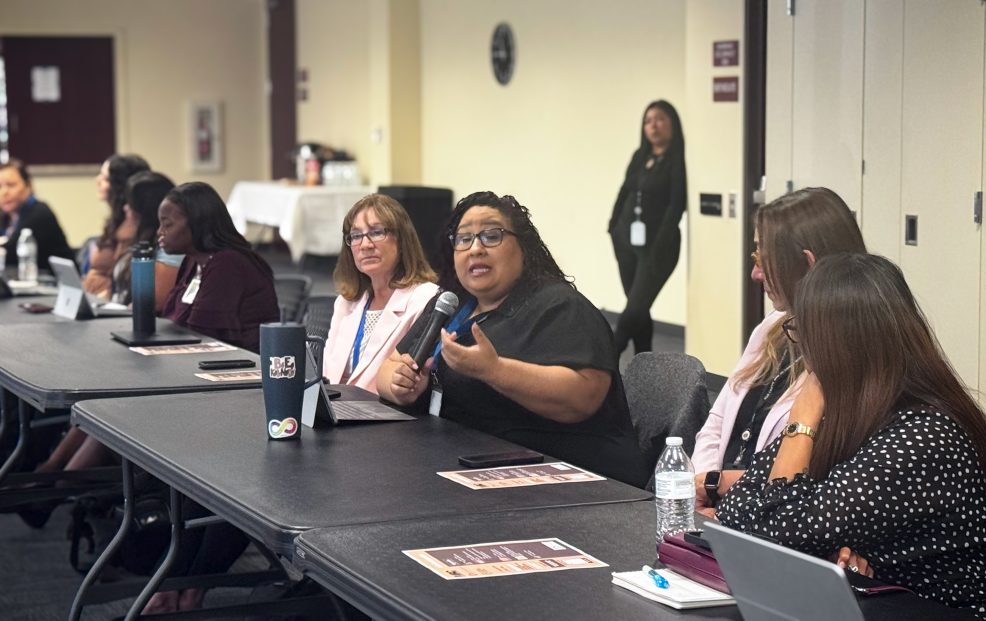
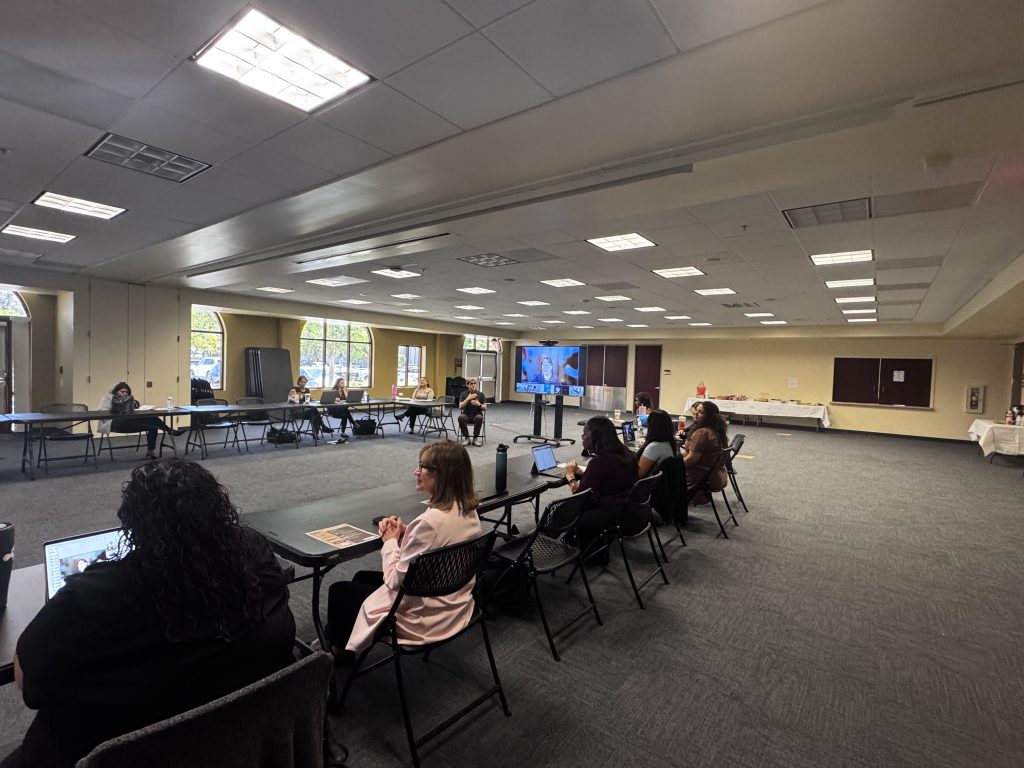
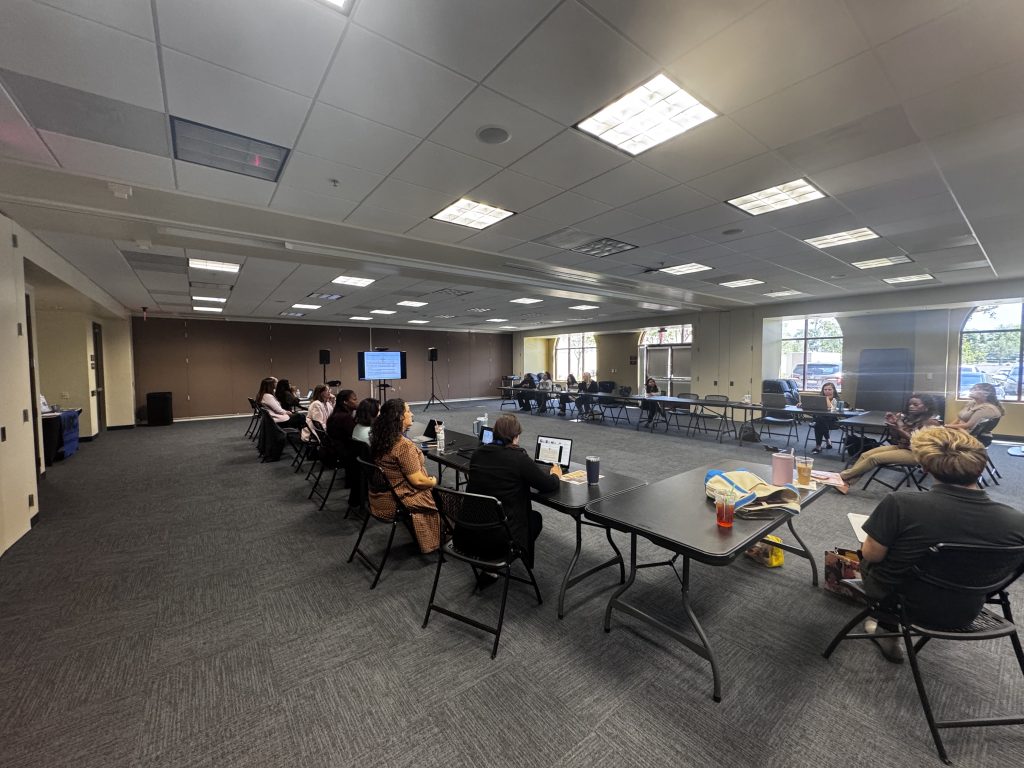
On Tuesday, April 21, 2026, the Inland Regional Center (IRC) was proud to host the latest meeting of the Native American Coalition. Held as a hybrid event—both in-person at our San Bernardino headquarters and virtually for those across the region—the gathering served as a vital touchpoint for community leaders and service providers working to strengthen support for Native American communities in Riverside and San Bernardino counties.
A Growing Force for Change
The Native American Coalition has grown into a formidable collective, now boasting over 80 members. This diverse group represents a wide spectrum of stakeholders, including:
- Nonprofit organizations
- Government agencies
- Private partners
- Tribal leadership
The shared mission of this coalition is clear: to strengthen systems of support that improve the well-being of Native American children and communities—particularly those navigating the complexities of intellectual and developmental disabilities. By convening organizations, building partnerships, and sharing resources, the coalition works to ensure services are comprehensive, coordinated, and culturally specific.
Morning Connections and Sacred Space
The event kicked off at 11:00 am with a dedicated 15-minute networking opportunity. For many attendees, this is the most valuable part of the day—a chance to connect face-to-face, exchange marketing materials for new programs, and strengthen the bonds that make the coalition effective.
Following the networking opportunity, the formal agenda began with a Land Acknowledgment and Opening Remarks. Acknowledging the tribal land on which the Inland Regional Center sits is a cornerstone of these meetings, ensuring that all work performed by the coalition is grounded in respect for the history and sovereignty of the local Indigenous peoples.
Spotlight: Resiliency, Healing, and Comprehensive Care
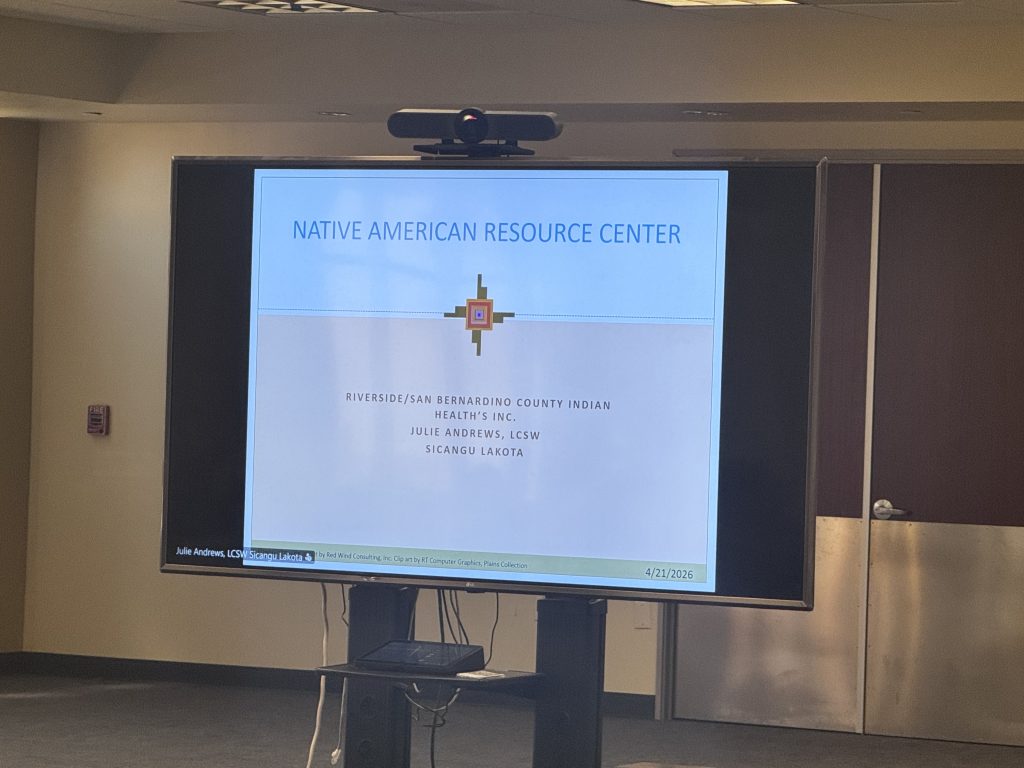
The highlight of the afternoon was a powerful presentation by Julie Andrews, LCSW, a member of the Sicangu Lakota tribe and a representative of Riverside-San Bernardino County Indian Health Inc. (RSBCIHI).
Julie shared deep insights into the services provided by the Native American Resource Center (NARC) and the broader RSBCIHI network. Her presentation, titled “Resiliency not Survival,” shifted the narrative from simply “getting by” to thriving through cultural connection.
Comprehensive Health Services
Julie detailed the “whole-person” approach taken by RSBCIHI, which includes:
- Medical and Specialty Care: From pediatrics and podiatry to nephrology and pharmacy services.
- Behavioral Health: A robust suite of services including psychiatry, clinical social work, and Medication-Assisted Treatment (MAT) services.
- Patient Advocacy: Ensuring that tribal members can navigate the healthcare system with the support of a Patient Advocate and access to WIC and nutrition programs.
Cultural Programs as Prevention
A major takeaway from the session was the emphasis on cultural programs as a form of prevention. The NARC offers a variety of weekly and monthly activities designed to increase protective factors against historical trauma, including:
- Women’s Support Groups: Featuring traditional activities like beading and ribbon skirt making.
- Traditional Wellness: Herbal tea classes and medicinal plant gardens.
- Community Events: Annual highlights such as the “Wellness Wonderland,” GONA, and Resiliency Community Events.
Julie emphasized the “Concept of 7 Generation Healing,” reminding attendees that the work done today to address mental health and substance use is an investment in the health of the next seven generations.
The LACC Perspective: Representation Matters
Martín Morales, IRC’s Language Access and Cultural Competency (LACC) Specialist, spoke to the critical importance of these gatherings from a planning perspective.
“Our most important goal is to have Native American organizations representing and serving the community sharing their perspectives,” Morales noted. “Having representation ensures their voice is heard, they are included in our planning, and we can address systemic barriers directly to increase access to services.”
By integrating these perspectives into the very fabric of IRC’s strategic planning, the coalition is doing more than just sharing information—it is actively breaking down barriers to care.
Looking Ahead
The meeting concluded with a working lunch and updates on future meeting locations. The energy in the room was a testament to the fact that when we work together, we create a community where everyone, regardless of their developmental path, has the opportunity to thrive within their culture.
Were you unable to attend? We encourage organizations and community partners serving Native American communities to join us for our next quarterly meeting. Together, we can continue to build a future rooted in resiliency and supported by a dedicated coalition of advocates.
For more information on the Native American Coalition or to register for future events, please email [email protected], visit the IRC website, or scan the QR code located on our event flyers.
Posted by:

Related Posts


Share this Post